

Disappearing/ 減少している(動詞) – becoming fewer; slowly going away
Traditional ekiben shops are disappearing because of faster train travel.
伝統的な駅弁屋は、列車の高速化によって減少しています。
Preserve/ 保存する(動詞) –to protect something so it does not disappear
Museums help preserve historical objects.
博物館は歴史的なものを保存する手助けをしています。
Intangible cultural asset/ 無形文化財(名詞)–a tradition or practice that is important to culture, but not a physical object
JR companies want ekiben to be registered as an intangible cultural asset.
JR各社は、駅弁を無形文化財として登録したいと考えています。
Tradition/ 伝統(名詞)– a custom or practice that has been passed down for a long time
Making ekiben is a Japanese tradition that is over 140 years old.
駅弁作りは140年以上続く日本の伝統です。
Discontinued/ 廃止された・生産中止の(形容詞)– stopped; no longer produced
Some popular ekiben were discontinued because of high costs.
高コストのため、人気の駅弁がいくつか廃止されました。
Article
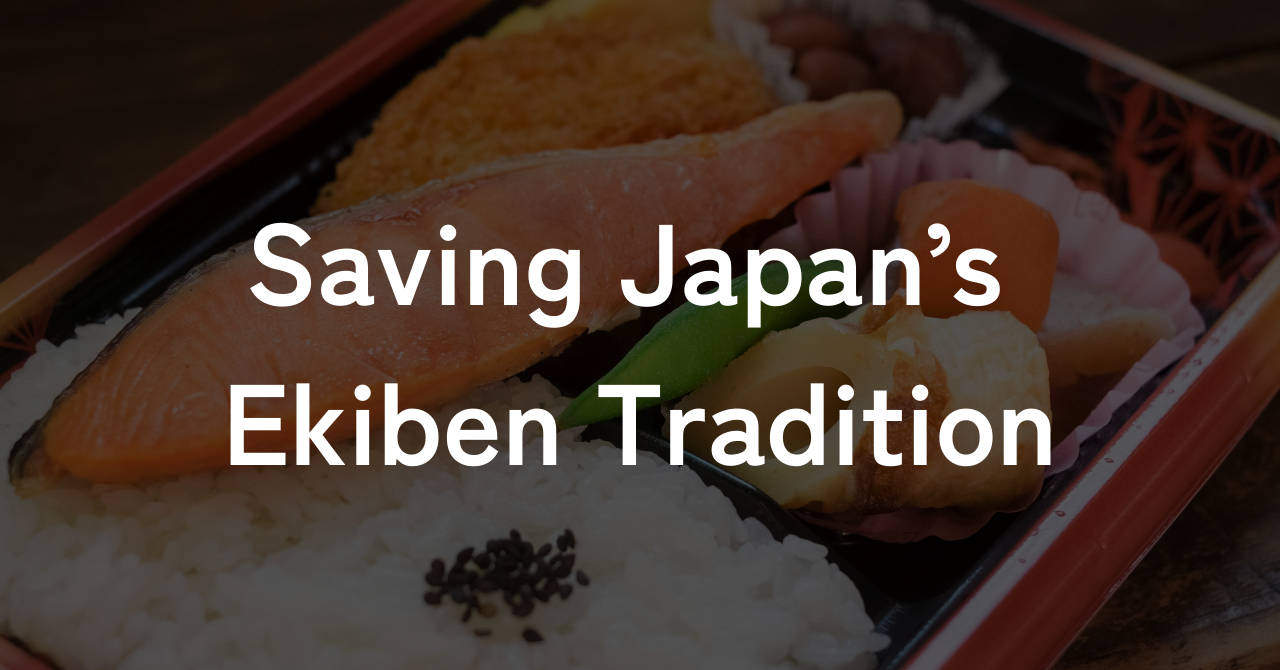
Saving Japan’s Ekiben Tradition
Ekiben, or special boxed meals sold at train stations, are an important part of Japan’s food culture. However, many ekiben makers are disappearing. Faster trains and convenience stores have reduced the number of traditional shops to only about 20 percent of their peak.
Ekiben are valuable because they preserve local cooking methods and ingredients. This year marks the 140th anniversary of ekiben, and Japan Railway Group companies are now working to register them as an intangible cultural asset. They hope this will protect the tradition and bring more attention to local foods.
Hiroshima Ekibento, a company founded in 1901, is known for its grilled conger eel ekiben. Workers carefully prepare the meal inside the station kitchen. But rising ingredient costs and fewer customers have made business difficult. Some popular ekiben, like oyster rice bentos, have been discontinued.
To save the tradition, JR companies across Japan are showing displays about ekiben history in their station shops. Some famous makers, like Kiyoken in Yokohama, have also joined the project. Supporters believe ekiben allow travelers to experience local food culture and should be preserved for the future.
Source: Japan Times
Comprehension Questions
Answer the questions following the article in English.
- What are ekiben and where are they sold?
- Why are ekiben makers disappearing?
- How many years has ekiben existed?
- Why do supporters want ekiben registered as an intangible cultural asset?
- Name one company mentioned that still supports ekiben culture.
Summary
In your own words, attempt to summarise the article in 4 sentences or less.
Discussion
Discuss these topics with your tutor, and support your answers with examples or experience.
- Have you ever tried a food that represents a local culture? What was it like?
- How can modern society balance convenience (fast food, fast trains) with preserving traditions?
- What local food from your country or region would you want to preserve for future generations?

 Simpor Academyに登録して、英会話レッスンを体験してみませんか?
実践重視のオンライン英会話で、
日常会話からビジネス英語まで、自分の目的に合わせて学べます。
「英語を実践して使えるようになりたい」
「アウトプットしながら、無理なく続けたい」
そんな方に、体験レッスンがおすすめです。
英語を“使える力”へとつなげていきましょう。