
この教材で英語力アップ!語彙から始めて、理解チェックやまとめ、ディスカッションに挑戦してみましょう。
Vocabulary
Composition– The Materials or substance that something is made of
The machine identifies the composition of each fabric accurately.
Synthetic– Made artificially and not naturally made
Synthetic materials like polyester are widely used in clothing.
Labor-intensive– Requiring a lot of human effort and time
Manual sorting of textiles is a labor-intensive process.
Displacement– The act of replacing something or someone
Automation may lead to job displacement in some industries.
Intervention– The act of becoming involved to change a situation
The factory operates with minimal human intervention.
Article
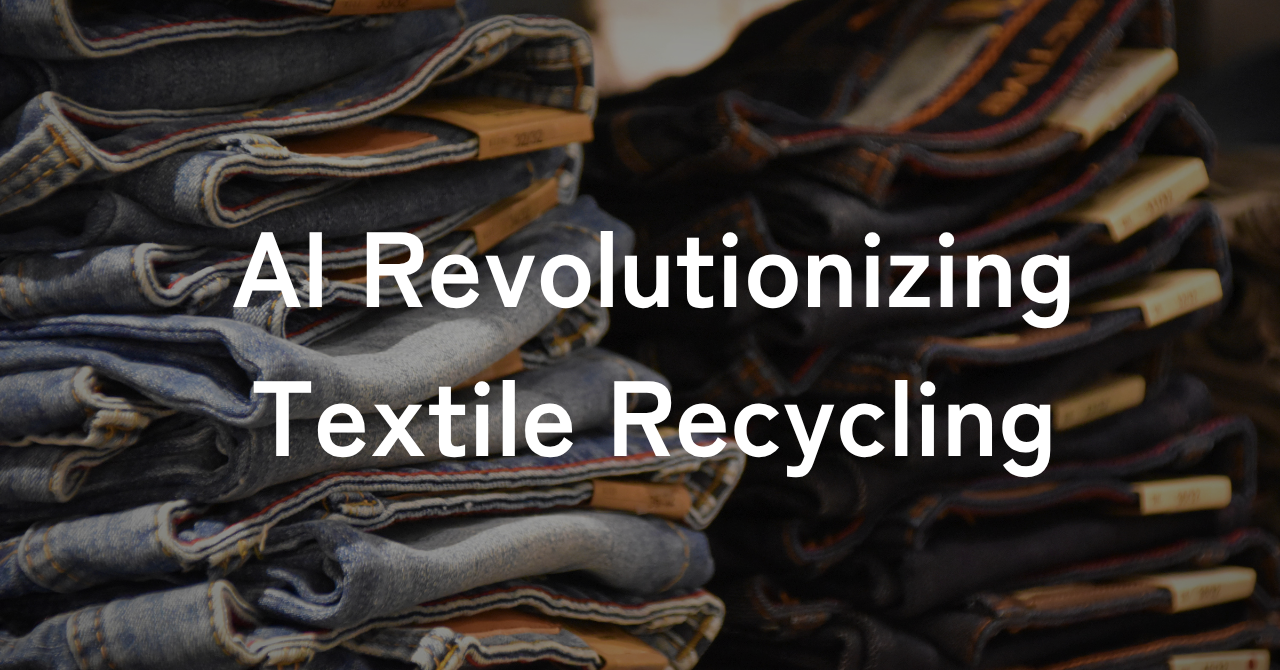
AI Revolutionizing Textile Recycling
In Zhangjiagang, a cutting-edge machine is transforming how textile waste is managed. Developed by DataBeyond, the Fastsort-Textile system uses artificial intelligence to rapidly sort used clothing by material composition.
This innovation addresses a major environmental issue. Synthetic textiles, which make up about 70% of global production, are derived from fossil fuels and contribute significantly to pollution. Traditionally, sorting textiles has been labor-intensive and imprecise. However, the AI-powered machine can process up to two tons of clothing per hour—far surpassing human capability.
Installed at Shanhesheng Environmental Technology Ltd., the system scans each item in less than a second using advanced sensors. It then separates fabrics such as polyester and nylon for recycling. Compared to manual sorting, which can take hours and still lack accuracy, the machine delivers both speed and precision.
As a result, the percentage of unrecyclable waste has decreased significantly—from 50% to 30%. Experts suggest that such innovations could lead to fully automated “dark factories,” where machines operate continuously without human intervention. While this raises questions about labor displacement, it also highlights the potential of AI in tackling global environmental challenges.
Source: Japan Times
Comprehension Questions
Answer the questions following the article in English.
- What problem does the Fastsort-Textile machine aim to solve?
- What types of materials does the AI system sort?
- How has the percentage of unrecyclable waste changed?
- What is a “dark factory,” according to the article?
Summary
In your own words, attempt to summarise the article in 4 sentences or less.
Discussion
Discuss these topics with your tutor, and support your answers with examples or experience.
- What are the advantages and disadvantages of automation in industries?
- Do you think AI is the best solution for environmental problems? Why or why not?
- How can countries reduce textile waste besides using technology?

 Simpor Academyに登録して、英会話レッスンを体験してみませんか?
実践重視のオンライン英会話で、
日常会話からビジネス英語まで、自分の目的に合わせて学べます。
「英語を実践して使えるようになりたい」
「アウトプットしながら、無理なく続けたい」
そんな方に、体験レッスンがおすすめです。
英語を“使える力”へとつなげていきましょう。